OVERVIEW
Wireline Logging can be traced to 1927 when Schlumberger Limited created the first ever resistivity well log in France. The number of sensors available for Well- or Wireline- logging has increased drastically and today various tools exist to log the physical, structural and chemical properties of rocks in situ, as penetrated by a borehole. Additionally, it is also possible to measure groundwater fluid properties.
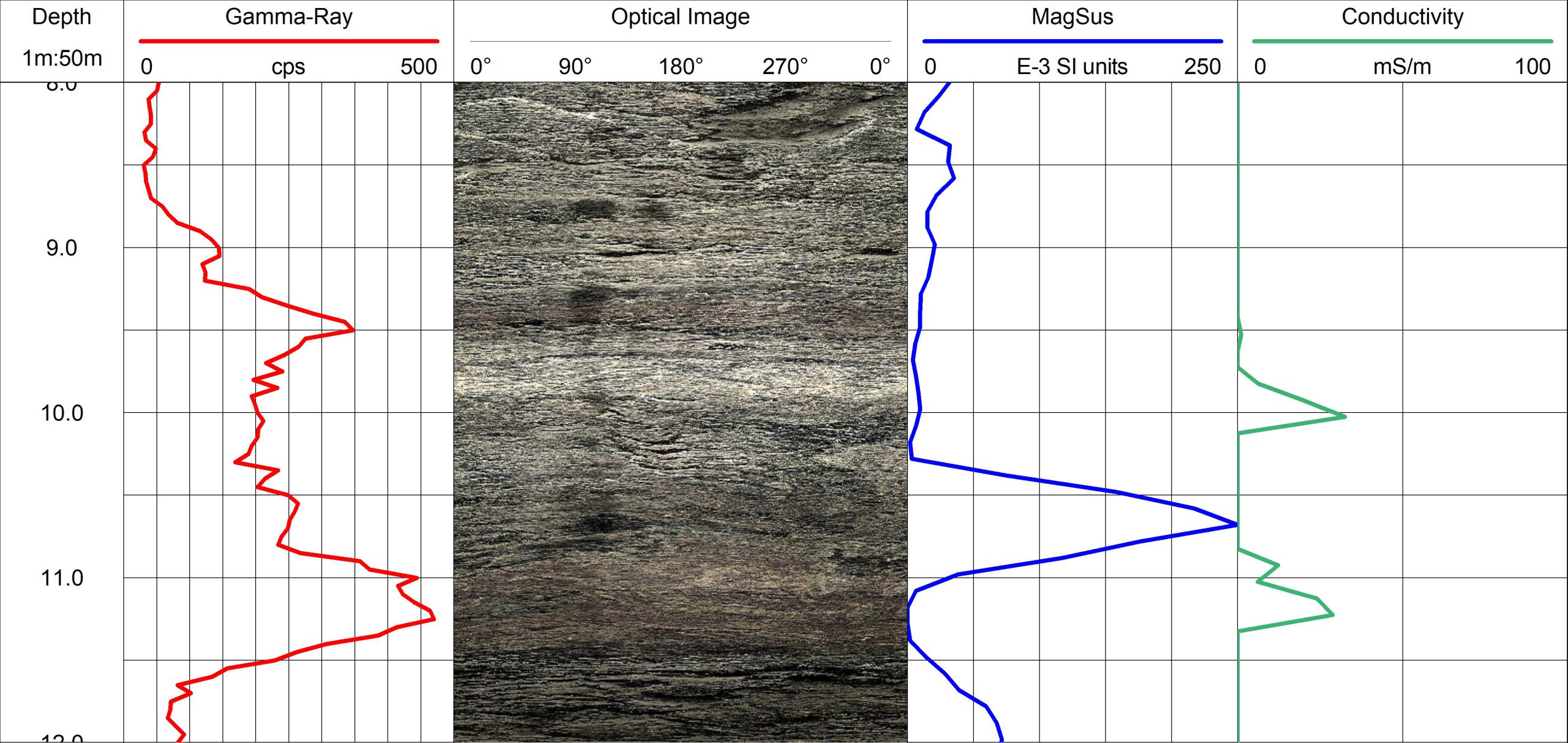
FLIGHTEC provides Wireline Logging as both a standalone and supplementary service, focussing on the Logging of:
- Natural Gamma Rays
- Magnetic Susceptibility
- Electrical Conductivity
- Optical Borehole Images
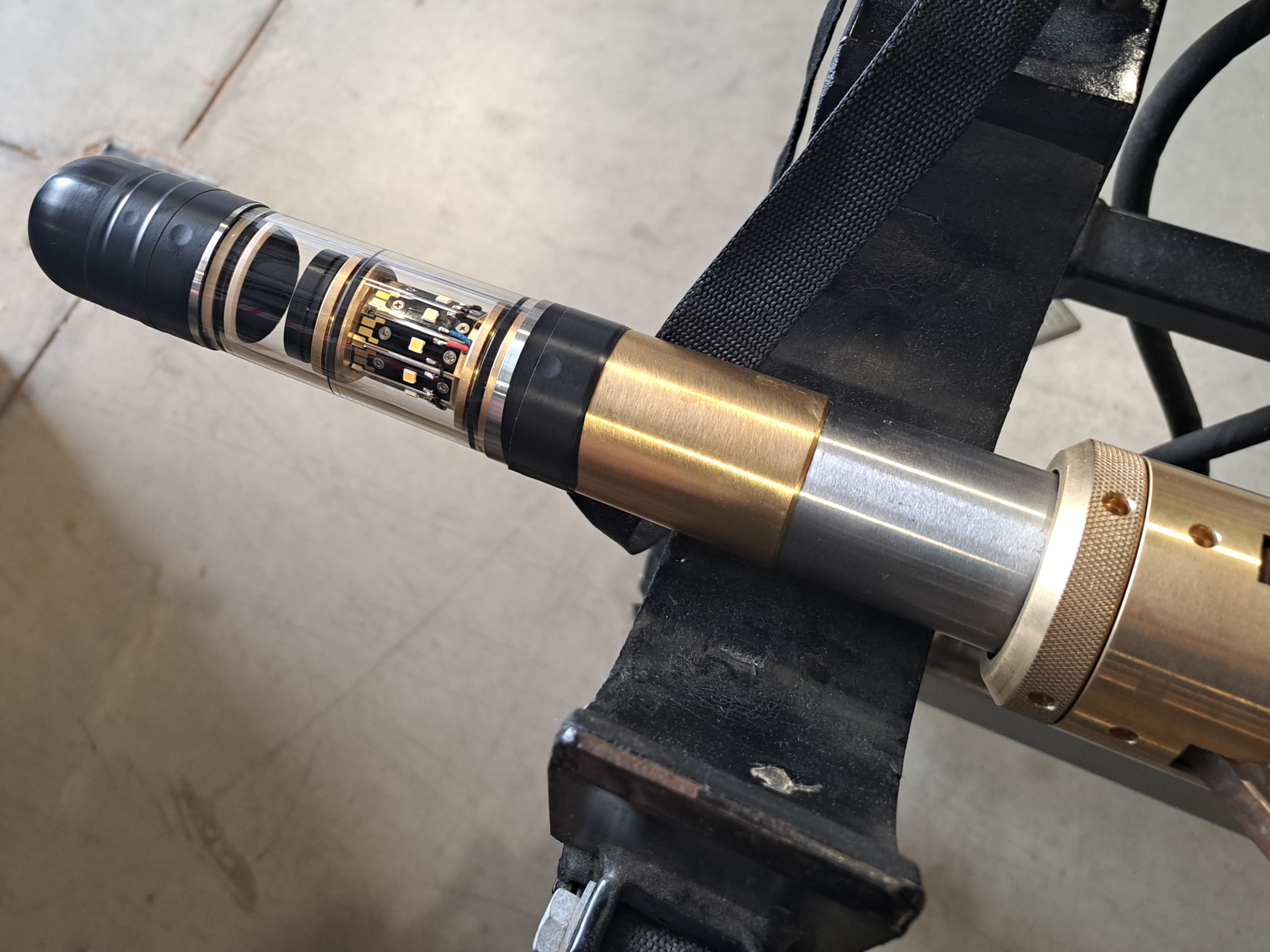
Similar to the parallel operation of Unmanned Aircraft Systems (UAS), logging tools can be stacked in series as a “tool string”, to simultaneously record multiple properties. Doing so reduces the amount of logging runs required to collect the entire dataset, and simplifies post-processing by having the measurements’ depths already aligned.
EXECUTION
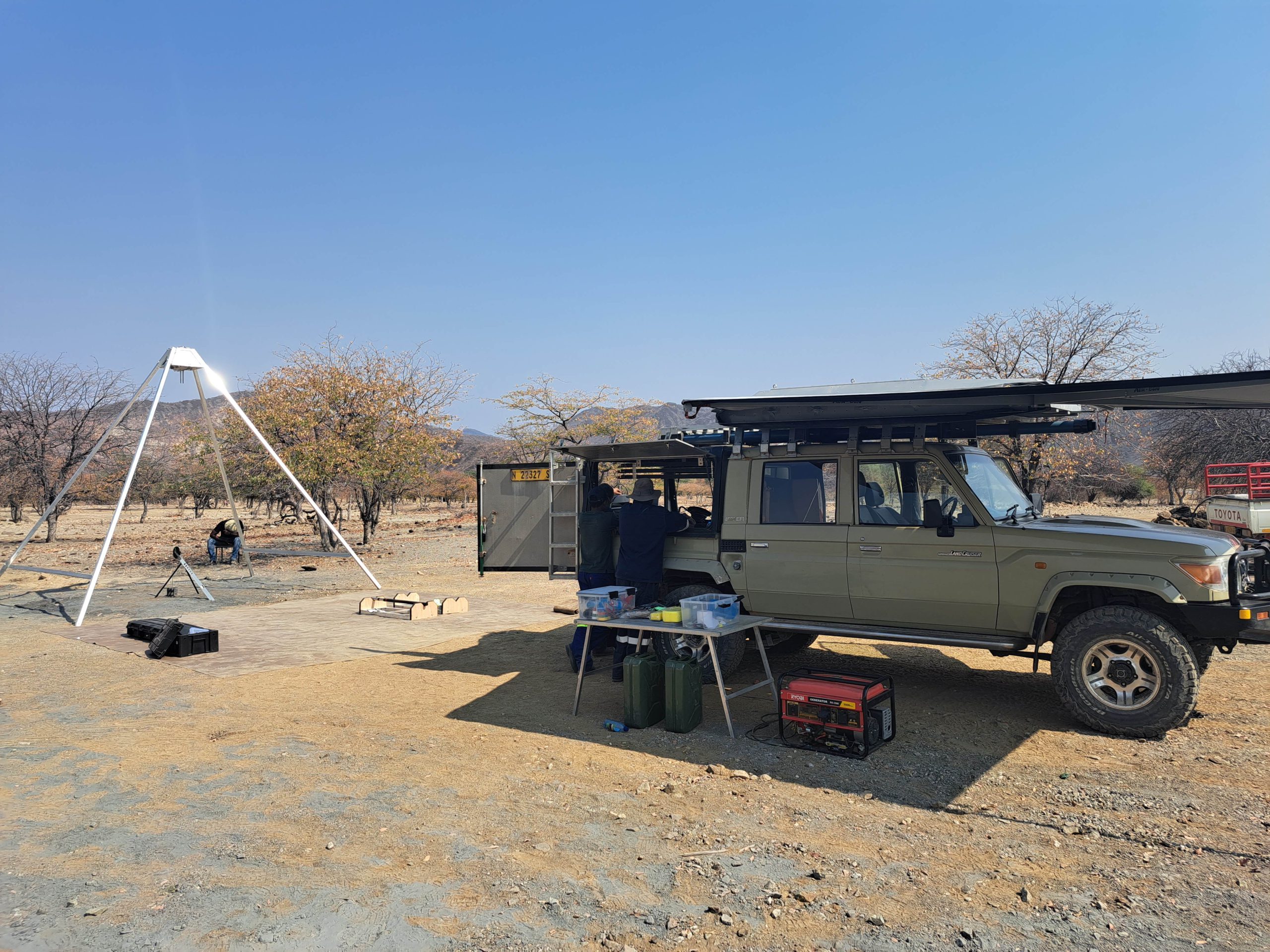
Wireline logging is performed by lowering the “tool string” consisting of one or more sensors attached with a cable to a suitable winch, down a borehole. The sensors measure multiple properties with depth and their readings are displayed to the operator in real-time and recorded at the surface. The visual feed of sensor values allow the operator to dynamically adjust parameters while logging in order to guarantee the quality of the survey and quickly respond to any acquisition errors.
Wireline logging
- Can be executed shortly after drilling
- Provides fast turnaround times
- Allows for Structural Analysis of the Digitally Reconstructed Core Sample
- Is Economical
- Can be Supplementary to the inversion results from Airborne Surveys